

Hospital discharge is only the beginning of a person’s recovery journey. Without proper follow-up care, medication management, wound monitoring, and ongoing health assessments, many individuals face the risk of returning to hospital within weeks. This is where professional community nursing plays a vital role. By delivering personalised clinical care in the comfort of home, community nurses help participants recover safely, manage chronic conditions, and maintain their independence.
For individuals living with disabilities or complex medical needs, community nursing care in Northam offers a proactive approach that bridges the gap between hospital treatment and long-term wellbeing. Rather than reacting to health complications, community nursing focuses on preventing them before they become emergencies.
Why Are Hospital Readmissions So Common After Discharge?
Many hospital readmissions occur because participants struggle to manage medications, recognise early warning signs, attend follow-up appointments, or maintain proper wound care. These challenges can quickly escalate into serious health complications if left unaddressed.
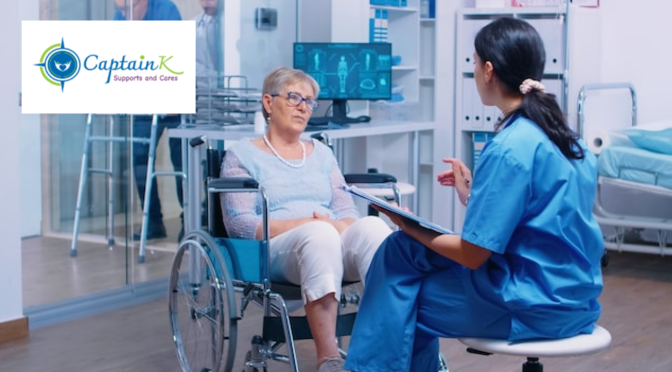
Community nurses regularly assess a participant’s health, identify potential risks early, and intervene before conditions worsen. Their ongoing monitoring significantly reduces avoidable emergency presentations while giving participants and their families greater confidence in managing health at home.
How Community Nursing Supports Safer Recovery at Home
Professional community nurses deliver much more than routine healthcare. They create personalised care plans that are tailored to each participant’s medical requirements and NDIS goals.
Approximately 100 words later, participants receiving support from a trusted community nursing provider in Northam benefit from services including medication administration, chronic disease management, wound care, continence support, catheter care, PEG feeding assistance, diabetes monitoring, health education, and regular clinical assessments. These services ensure health concerns are identified early, helping prevent complications that could otherwise require hospitalisation.
Equally important, community nurses educate participants and carers about symptom recognition, medication adherence, hydration, nutrition, infection prevention, and lifestyle management. This knowledge empowers families to respond appropriately before minor concerns develop into major medical issues.
What Makes Community Nursing an Essential Part of the NDIS?
The National Disability Insurance Scheme recognises that many participants require ongoing clinical care alongside daily support services. Community nursing enables individuals with complex health needs to live more independently while receiving professional medical assistance at home.
Around another 100 words later, quality NDIS community nursing services in Northam provide consistent clinical oversight that complements support coordination, allied health, and personal care. This integrated approach improves continuity of care, strengthens communication between healthcare professionals, and reduces unnecessary hospital admissions by ensuring every aspect of a participant’s health is managed proactively.
Rather than waiting until a condition becomes critical, nurses continually monitor changes in health, review treatment effectiveness, and collaborate with GPs, specialists, and families to deliver the right care at the right time.
Early Clinical Intervention Leads to Better Health Outcomes
One of the greatest advantages of community nursing is early intervention. Regular health reviews allow nurses to detect subtle changes that participants themselves may not notice. Whether it’s identifying signs of infection, monitoring blood pressure fluctuations, assessing wound healing, or adjusting care routines, prompt action often prevents complications that lead to emergency hospital visits.
This preventative model not only improves physical health but also reduces stress for participants, carers, and families who gain reassurance knowing experienced healthcare professionals are overseeing ongoing recovery.
Choose Community Nursing That Prioritises Prevention
Preventing hospital readmissions requires more than occasional check-ups. It demands consistent clinical expertise, personalised care, and ongoing health monitoring. Community nursing delivers exactly that, helping participants recover safely, maintain independence, and enjoy a higher quality of life within their own homes.
The Final Words
Choosing experienced NDIS community nurses means investing in preventative healthcare that supports long-term wellbeing, minimises avoidable hospital stays, and ensures every participant receives compassionate, professional care exactly when they need it most. For that, CaptainK Supports and Cares ought to be the best name to turn to. We are a registered NDIS service provider offering a wide range of support plans, including community nursing care. Dial us on 0493 370 126 to know more about us. You can also fill out the contact form and submit it.
What services does an NDIS community nurse provide after hospital discharge?
An NDIS community nurse may assist with wound care, medication administration, chronic disease management, continence care, catheter care, PEG feeding, diabetes monitoring, health education, and regular clinical assessments to support safe recovery.
Who is eligible for NDIS community nursing services?
Participants whose NDIS plan includes clinical nursing support and who have disability-related health needs requiring professional nursing care may be eligible. Eligibility depends on individual circumstances and plan funding.
Can community nursing reduce emergency hospital visits?
Yes. Regular monitoring and early intervention help detect health issues before they escalate. This proactive approach often prevents avoidable emergency department visits and unplanned hospital admissions.
How often can a community nurse visit my home?
The frequency of visits depends on your clinical needs, healthcare goals, and NDIS funding. Some participants require daily nursing support, while others may only need weekly or scheduled visits.
What medical conditions can community nurses help manage?
Community nurses commonly support participants with diabetes, stroke recovery, neurological conditions, spinal cord injuries, wound management, continence issues, respiratory conditions, complex disabilities, and other ongoing health needs.
Do community nurses work with my GP and other healthcare professionals?
Absolutely. Community nurses regularly collaborate with GPs, specialists, allied health professionals, and support coordinators to ensure your care plan is consistent, well-coordinated, and focused on achieving the best possible health outcomes.
Why is medication management important after leaving the hospital?
Incorrect medication use is one of the leading causes of hospital readmissions. Community nurses help ensure medications are taken correctly, monitor for side effects, and educate participants and carers about proper medication management.
Can community nursing improve independent living?
Yes. By providing professional clinical care at home, community nurses enable participants to manage their health safely, remain independent for longer, and enjoy a better quality of life while reducing reliance on hospital-based care.
How do I choose the right community nursing provider?
Look for an experienced provider with qualified registered nurses, personalised care plans, transparent communication, strong NDIS knowledge, positive client reviews, and a commitment to delivering responsive, participant-centred clinical care in your local area.